

Latest Products


Contact Us
- RM 302, Building 5, Yaojia RD, Yuhang District, Hangzhou City, Zhejiang Province, China
- hmsales@hmrefrigeration.com
- +8618067595298
Beverage coolers, also called beverage refrigerators or beverage centers, are designed to hold and chill beverages. Beverage coolers can hold a variety of different drinks, such as soda, canned beer, bottled beer. They come with shelves, often metal or glass, to accommodate the different drink styles. Beverage coolers come in all shapes and sizes that best fit your needs.
Benefits of Beverage Cooler
Space efficiency
One of the primary advantages of a beverage cooler is its space efficiency. Traditional fridges often become crammed with food items, leaving little room for drinks. A beverage cooler offers a dedicated space for your drinks, freeing up essential space in your main fridge.
Temperature control
Beverage coolers are designed with specific temperature controls to ensure your drinks are kept at optimal temperatures. Whether it's a can of soda or a bottle of wine, a beverage refrigerator ensures your drinks are always served at their best.
Variety and organisation
With a beverage coolers, you can easily organise and store a variety of drinks. This not only makes it easier for you to find your favourite drink but also presents a neat and organised look.
Perfect for entertaining
If you frequently host parties or gatherings at your home, a beverage coolers is a must-have. It allows your guests to easily access a variety of chilled drinks, making your hosting duties a breeze. Glass-fronted fridges, particularly, make selecting your drink simple.
Convenient and accessible
Lastly, a beverage coolers is convenient and accessible. It can be installed in various spaces within your home, from home office or games room to outdoor entertainment area, providing easy access to chilled beverages wherever you need them.
 Beer Display Fridge
[BUILT-IN OR FREESTANDING] - The quiet, front-venting compressor system allows this wine fridge to fit snugly under standard kitchen counters. Just slide it into place for a sleek, integrated look
Add to Inquiry Upright Display Cooler
[REVERSIBLE INSULATED GLASS DOOR] - A triple paned door provides outstanding insulation to keep all that cold air inside. The durable stainless-steel door is not only attractive but can also be
Add to Inquiry Vertical Display Fridge
[COMPACT DESIGN] - Even though it's only 15 inches wide, this beverage fridge still holds up to 96 standard cans — that's eight full six-packs of drinks. The attractive black stainless steel finish
Add to Inquiry Glass Door Display Refrigerator
【230 CANS BEVERAGE REFRIGERATOR】The beverage refrigerator can be left free standing. Under counter beverage refrigerator with large, internal storage design is equipped with 4 removable shelves.
Add to Inquiry Display Commercial Fridge
This product is one of the main products of our company, it has excellent energy efficiency, strong refrigeration capacity, and huge storage space. Widely used in supermarkets, stores, restaurants,
Add to Inquiry Display Double Door Fridge
LC-630B is one of the main marketing products of our company. It has the characteristics of aluminum alloy frame, double glass door, fast refrigeration system, automatic defrosting and so on. It is
Add to Inquiry Double Door Fridge Display
LC-780B is our company's outstanding main products, it has aluminum alloy frame, durable, stain resistance; Double glass door, better cooling effect; Rapid refrigeration system, faster fresh-keeping
Add to Inquiry Display Refrigeration Freezer
The LC-980B has a huge volume of 31.08 cubic feet (880 liters) and can store fruits, vegetables, beverages, and milk products.
Add to Inquiry Display Fridge Double Door
LC-520W This product adopts the air-cooled mode, which has the characteristics of power saving and even cooling.
Add to Inquiry Restaurant Display Fridge
LC-780W This product adopts the air-cooled mode, which has the characteristics of power saving and even cooling.
Add to Inquiry Soft Drinks Display Fridge
The LC-1120J is specially developed for the storage of alcoholic beverages and fruits.It has aluminum frame, double height transparent glass door, air-cooled and frost-free, electronic controller
Add to Inquiry Standing Display Fridgedisplay Cold Drink Fridge
The LC-980B product was developed for storing alcoholic beverages and fruits.It has three separate open and shut glass doors, convenient observation and access.
Add to Inquiry
Why Choose Us
Rich experience
Huamei is one of the earliest home appliance brands in China and has a history of more than 30 years in the refrigeration industry.
Strength
Huamei has nearly 3,000 employees and an annual output of 4 million commercial cabinets, refrigerators and other cold chain products.
Afforable Solution
Huamei pursues to produce the most cost-effective and affordable supermarket freezers, you can always find a variety of cost-effective freezers from us.
Advanced technology
Our company increases investment in scientific research and development and technological transformation, continuously improves product quality and technological progress, and provides customers with better and cheaper products.
Wine coolers, also known as wine refrigerators, are specifically designed for storing wine. They have adjustable temperature controls that allow you to set the perfect temperature for different types of wine. Wine coolers also usually have shelves that are designed to hold wine bottles in a horizontal position, which helps to keep the cork moist and prevents air from entering the bottle.
Beverage coolers, on the other hand, are designed for storing a variety of different drinks. They can be used to store cans and bottles of soda, beer, and other beverages, and typically have less precise temperature controls than wine coolers. The best way to summarize a beverage center is as a refrigerator designed specifically for a variety of your favorite beverages and at your desired temperature.
The most popular add-ons on beverage cooler include digital temperature control, LED lighting, and reversible doors. Digital temperature control allows accurate temperature adjustment and reading. LED lighting is energy-saving and cost-effective, often using less current and lasting longer than traditional cooler lighting. Reversible doors offer the flexibility of adjusting the item’s front door to hinge and open in either direction.
Ideal Temperature Range for Beverage Cooler
The ideal temperature for your beverage coolers depends on the type of drinks you intend to store. Here's a general guideline: Carbonated beverages: 35°F to 45°F (1.5°C to 7.2°C). Beers: 45°F to 55°F (7.2°C to 12.8°C). Non-alcoholic beverages: 35°F to 45°F (1.5°C to 7.2°C).
There are distinct differences between beverage coolers and mini fridges. First, since beverage coolers are designed to store drinks, their temperature range is warmer than a mini fridge. Wine may also be stored in a beverage cooler, but wine should not be stored in a mini fridge as the temperature may be too cold. Next, beverage coolers and mini fridges have different storage capacities. Beverage fridges can hold dozens of cans or water bottles, whereas mini fridges are made to hold a very limited amount of food. Lastly, mini fridges are made with solid doors, while beverage coolers usually have dual-paned glass doors that let you view the fridge's contents.

How to Choose the Best Beverage Cooler
Size
The size of the beverage cooler is one of the important issues that need to be carefully considered before purchasing. Because the beverage cooler is large in size, it takes up a lot of space. Therefore, before purchasing, you need to measure the size of the space where the beverage cooler is placed to ensure that the beverage cooler you purchase can be fully inserted.
Refrigeration effect
The refrigeration effect is another very important issue when choosing a beverage cooler. Therefore, before purchasing, you need to understand the refrigeration effect and capacity of the beverage cooler, as well as the details of technical parameters such as the refrigeration system and temperature control system.
Energy efficiency rating
Energy efficiency is an important indicator for evaluating the performance of a beverage cooler, which directly affects the power consumption and cost of future use. Therefore, when purchasing a beverage cooler, you need to pay attention to its energy efficiency rating. Choosing a beverage cooler with a high energy efficiency rating can effectively extend the service life of the beverage cooler and reduce energy waste.
Noise impact
The noise level of the beverage cooler is also one of the issues that need to be paid attention to before purchasing, so you need to choose a beverage cooler model that can reduce noise, which can not only ensure quietness, but also provide a more comfortable living environment.
Beverage Cooler Models
Beverage coolers are specially designed cabinets for storing and chilling beverages. There are many different models of beverage coolers available, and you can choose the one that best suits your needs. Beverage coolers come in a wide range of different models. Some common beverage cooler models include:
Countertop beverage cooler
These models, which have low capacity, are typically used in homes or small businesses. They can be easily placed on a table and have the ability to cool various beverages.
Standard beverage cooler
These coolers are commonly used in restaurants, cafes, or large stores. They come in different sizes and capacities and store beverages in an organized manner with their included shelf systems. Additionally, with adjustable thermostats, they ensure that beverages are kept at the ideal temperature.
Glass door beverage cooler
These models, with their glass doors, allow customers to see the beverages inside. Especially preferred in businesses like restaurants or cafes, these coolers are ideal for showcasing beverages and increasing sales.
Point of sale beverage cooler
These models are designed to display and sell beverages in a temperature-controlled environment. They are commonly used in supermarkets or large stores. With their special shelf systems and lighting features, they present beverages attractively.
How to Prevent Beverage Cooler Glass Doors Condensation
Maintain proper humidity levels
If the surroundings humidty is over 60%, it means you may need to install a dehumidifier. Dehumidifying decreases moisture, which minimizes condensation on the glass doors of beverage coolers.


Assure proper ventilation
If you do not want to buy dehumidifier, then keep good ventilation in the room. Optimizing airflow around a refrigerator is critical. This dissipates warm, moist air. It keeps it from accumulating around its glass doors and minimizes condensation.
Perform Regular Door Seal Checks
Regular checks should ensure the seals on glass doors remain undamaged. Damaged seals could let in warm air, increasing condensation risk. Any worn or damaged seals should be replaced immediately.

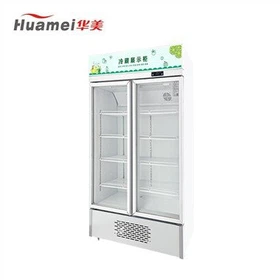
Maintain consistent temperature
Always maintain consistent settings to maintain steady internal temperatures. This will minimize condensation and maximize your beverage coolers performance. Sudden temperature changes can worsen condensation issues.
Flat and stable surface
Place your new beverage cooler on a flat and stable surface. This prevents rust or damage due to humidity. Uneven surfaces can lead to instability and potential damage to the cooler's components.
Adequate ventilation
Ensure that the cooler is well-ventilated to allow for proper airflow. Adequate ventilation is essential for the cooler's cooling system to function efficiently. Additionally, make sure the cooler is situated in a dry environment to prevent moisture-related issues.
Clearance and space
Keep your beverage cooler in an indoor area with at least 50cm of clearance from the ceiling and at least 20cm of space on the sides and back, away from other objects. This clearance ensures that the cooler can expel heat effectively and maintain its cooling performance.
Use of fans or dehumidifiers
Consider using fans or dehumidifiers in the surrounding area to maintain a dry interior environment. This extra step can help preserve the functionality of your beverage cooler.
Application of Beverage Cooler
Restaurants
Beverage coolers are essential in restaurants for storing and displaying a variety of drinks, including sodas, juices, water, and alcoholic beverages. They ensure that beverages are kept at optimal serving temperatures, enhancing customer satisfaction and providing quick access for staff.
Home use
In residential settings, beverage coolers are popular for home bars, kitchens, and entertainment areas. They provide a dedicated space for storing drinks, freeing up space in the main refrigerator and allowing homeowners to keep a variety of beverages cold and ready for family and guests.
Bars
Bars use beverage coolers to store and chill a wide range of drinks, including beer, wine, spirits, and mixers. These coolers are crucial for maintaining the quality and taste of beverages and for ensuring quick service during busy hours.
Convenience stores and supermarkets
In retail environments, beverage coolers are used to keep drinks cold and readily accessible to customers. They help in organizing products efficiently and enhancing the visual appeal of the store, which can boost sales by encouraging impulse purchases.
Compressor: The compressor is the heart of the cooling system. It compresses the refrigerant and pumps it through the system, increasing its pressure and temperature.
Condenser coils: Located at the back or bottom of the cooler, the condenser coils dissipate heat from the refrigerant into the surrounding air.
Evaporator coils: Located inside the cooler, the evaporator coils absorb heat from the interior, cooling the air inside.
Expansion valve: This component regulates the flow of refrigerant into the evaporator coils.
Thermostat
The thermostat controls the temperature inside the cooler.
Fan
The fan circulates air over the evaporator coils and throughout the cooler, ensuring even cooling and preventing hot spots.
Control panel
The control panel allows users to set and adjust the temperature and other settings.
How to Maintain Beverage Cooler


Regular cleaning: Clean the interior and exterior of the beverage cooler regularly to remove dirt, dust, and spills. Use a mild detergent or cleaner and a soft cloth to wipe down surfaces. Pay special attention to door seals, shelves, and vents, as these areas can accumulate debris and affect cooling performance.
Defrosting: If your beverage cooler has a manual defrost feature or tends to accumulate frost, defrost it regularly to prevent ice buildup. Turn off the cooler, remove any items inside, and allow the ice to melt naturally. Once the ice has melted, wipe down the interior with a clean, dry cloth, and restart the cooler.
Temperature calibration: Periodically check the temperature settings of the beverage cooler to ensure they are accurate. Use a thermometer to measure the temperature inside the cooler and adjust the settings if necessary. Maintaining the correct temperature is crucial for keeping beverages cold without freezing them.
Inspect door seals: Check the door seals or gaskets of the beverage cooler for signs of wear, damage, or buildup. Damaged seals can lead to air leaks, causing the cooler to work harder to maintain temperature and increasing energy consumption. Clean the seals regularly and replace them if they are cracked, torn, or no longer sealing properly.
Condenser coil maintenance: The condenser coils of the beverage cooler play a vital role in dissipating heat and maintaining cooling efficiency. Inspect the coils periodically and clean them if they are dirty or dusty. Use a coil brush or vacuum cleaner to remove debris and improve airflow around the coils.
Air circulation: Ensure adequate airflow around the beverage cooler by keeping it away from walls, cabinets, or other obstructions. Proper ventilation is essential for efficient operation and preventing overheating. Avoid overcrowding the cooler with beverages or blocking air vents.
Check refrigerant levels: If your beverage cooler uses a refrigeration system, monitor the refrigerant levels periodically. Low refrigerant levels can indicate a leak or other issues that need attention. If you suspect a refrigerant leak or malfunction, contact a qualified technician for inspection and repair.
FAQ
