A beverage cooler and refrigerator are similar to each other, but beverage coolers frequently do not offer the adjustable shelves or door storage that a refrigerator often does, and they often have glass doors to display the contents.
A wine and beverage refrigerator can be adjusted to a wide range of temperatures so it may be used for either, but keep in mind if you want to store both at the same time you will either have too-cold wine or too-warm drinks depending on how you choose to set the internal thermostat.
A regular fridge is designed to escalate temperatures quickly and dry out humidity. It may seem logical to store wine in the refrigerator, but the quick answer is an emphatic "No."
Many hazards are lurking about your traditional fridge that can adversely affect your wine's quality. If left in the same space too long, it's possible to get a hint of General White or Red meat in your Pinot Noir. Why does this happen?

If the cork in a wine bottle shrinks and becomes overly porous due to insufficient humidity levels, the odors from the bread, bologna, beer, and whatever else you're storing can seep inside and contaminate your wine. Remember, regular refrigerators are engineered to suppress humidity, not sustain it.
Wine coolers are crafted to maintain an ideal humidity level so that your wine cork stays impermeable and moist, not allowing outside air to intrude the bottle and spoil your wine. You also won't be as tempted to store your leftovers in your dedicated wine cooler, meaning there's even less of a chance of the two ever meeting outside of a meal.
The answer is simple: your wines should never be kept in a standard refrigerator or beverage cooler.
When Should You Use a Wine Cooler Instead of a Regular Refrigerator When Drinking White Wine?
If you are a wine lover, you may one day wish to convert your love for wine into a notable collection that reflects your personal tastes and passion for the hobby. However, even from that very first bottle in your collection, you want to make sure you're storing your wine properly.
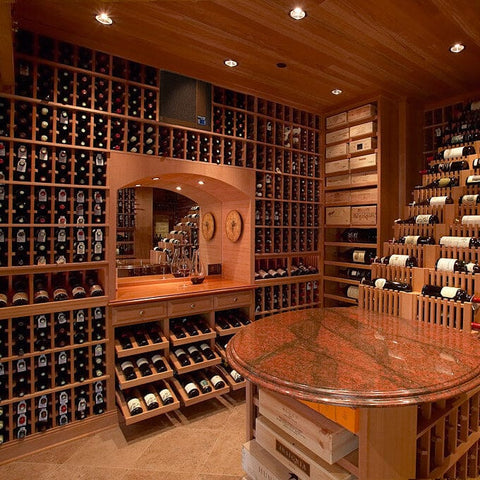
For those not fortunate enough to have a wine cellar in which they can store their collection (at the proper humidity level and temperature, no less), the ideal way to keep your wine at the optimal 55°F is to purchase a high-grade wine cooler.
While many may be tempted by the size and space offered by your average fridge, a conventional refrigerator just won't cut it.
Keeping Your Wine Cool
Aside from keeping your wine chilled to serve at the ideal temperature all year long, a wine cooler's purpose is to protect your collection from environmental changes, including fluctuations in humidity.
What is the best temperature for serving wine? Read on to these articles for the ultimate guide to the proper temperature for serving wine.
Ideal Temperature for Serving Wine
What is the Best Temperature to Serve Champagne?
A wine cooler will gradually lower temperatures and maintain a high and effective humidity level at all times. The temperature in a traditional refrigerator and beverage cooler is inconsistent because it is being opened throughout the day. Whether you want to serve your wine at the perfect temperature with dinner or store it for a longer period, a wine cooler ensures an even temperature throughout, always.

Another enemy of your beloved wine is vibration. All-purpose refrigerators vibrate because they run on a compressor. This vibration can disrupt a wine's natural maturation process, causing it to age and degrade faster.
You don't want to disturb the sediment present in the bottle, but it also causes complex chemical reactions which are less visible. Vibration over time will agitate a wine causing a reduction in esters, which dulls flavors.
Although some wine fridges are also powered by compressors, they have a unique vibration absorption system that greatly reduces the impact of tremors and noise, allowing your wine to quietly and adequately mature.
There are also thermoelectric wine refrigerators that don't vibrate at all but are better suited for already cool environments.